
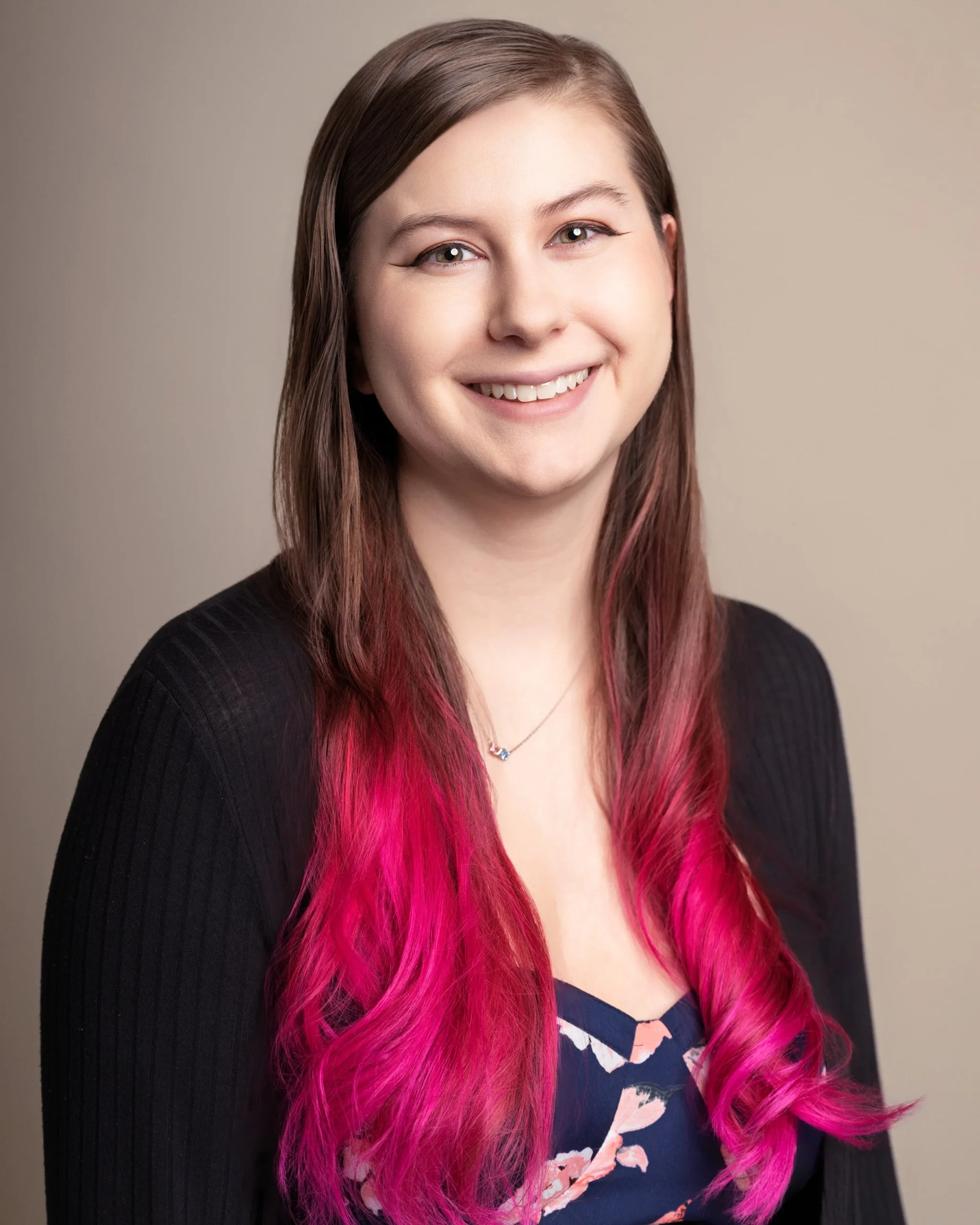
2025 is a year of embracing new opportunities, and I’m excited to connect with local motherhood-focused businesses through interviews and photography. This ongoing series highlights small business owners in Metro Detroit who provide valuable services that support, educate, and empower mothers. My latest feature showcases Emily Litchfield, a hairstylist at BA Salon Collective in Shelby township. She accommodates all clients especially the ASD community.
She.E.O | Episode 9 – Emily Litchfield
She.E.O Series
2025 is a year for embracing opportunities, navigating changes, and conquering challenges. To honor these themes, I’m excited to connect with as many local motherhood-focused businesses as possible to collaborate and grow together! This year, I’ll be continuing my series where I interview and photograph small business owners in the Metro Detroit area.
I can’t wait to highlight each business that has stepped forward to share their story. Together, we’ll explore the amazing services they offer to support, educate, and empower your journey into and through motherhood.
As a mom myself (my little one just turned 2!), I’m constantly learning about the changes and challenges that come with this phase of life. My goal is to share this valuable information with others who may benefit. Let’s get started~
P.S. Don’t forget to check out our Branding Portfolio to book your next session!
About My Guest
Emily Litchfield, hairstylist at BA Salon Collective in Shelby township, is not your typical hairstylist as she accommodates all clients especially the ASD community. Emily was diagnosed with autism at 23, and had the experience of not wanting to get my hair cut, not wanting to do anything with her hair, brushing, was a nightmare, and after she went to beauty school and became a stylist, she realized that those resources weren’t really there for people like her. So Emily decided to create this program for people who are experiencing what she was experiencing and to have the opportunity to have a great haircut and experience.
Q&A
Q: What inspired you to begin working with clients on the autism spectrum? ?
So kind of like I said earlier, having that experience of my stylist love her, when I was a kid, I would crawl on my hands and knees on the JCPenney floor and she was on her hands and knees, Jason after me, making sure I was accommodated and I didn’t know it then, but I know it now that she was actually accommodating my comfort and service. And I went to B school and there were just like no skills or like how to help clients who have those sensitivities because a lot of people are sensitive, you know, perfumes, detergents, but also with touch. So like tender headed, sensitive scalp. And so I kind of wanted to build something where people could come to me and other stylists where they feel comfortable, you know, it’s not somebody to be ashamed of. It’s just, you need extra help and that’s okay.
Q: What specific techniques or a combination do you use to support clients with sensory, sensitivities during a haircut?
So there are four main sensitivities. You have vestibular, which would be tilting your head back and not wanting to have anything kind of throw you off balance. So like when you’re at home and you’re in the shower and you have to tilt your head back, a lot of people on the spectrum who have sensitivity disorder feel like they’re going to fall over. They don’t have the same connection, that neurotypical people do. So making sure that when I’m washing their hair that we have European style bowls at my salon and the bulls come to them. Okay. So it’s not like, yeah, they don’t have to stretch their head far back. They don’t have to have that feeling of unstable. And there’s also olfactory, which is your nose and smells. So having people test out the products before they buy, you know, have them smell it, if it’s something that they can handle, it’s something that they can use at home. There’s also tactile, which is actually the most common. So that is the sensitivity to touch. So feeling of hair on their neck, feeling water on their on their head or in their ears. And so making sure that I’m, when I’m washing them, making sure my hand is kind of guiding that water and always asking, do you feel okay? Do you have any like questions or let me know if anything feels uncomfortable so I can stop the service and then cater to what they need.
Q: Can you walk me through how you prepare both your space and yourself before an appointment with an autistic client?
Yeah, so I have them book a specific type of appointment It’s called the ASD haircut. So it’s autism slash sensory disorder haircut so that I know that they are an autistic client or they have a sensory disorder. We did recently in our salon change one of our facial rooms into a bridal studio. And when that’s not being used for bridal, it is a sensory space. Awesome. So it’s away from the sound and the chaos of the salon, but they still get that in salon experience. So I always know exactly what kind of sensitivities they have. I have a little description, like, tell me exactly what’s going on, so that when they get here, it’s not a surprise. It’s not, oh, I don’t have this ready for you. It’s, I have everything I need to make sure you’re accommodated.
Q: How do you respond when a client becomes overstimulated, anxious, or resistant during a haircut?
Yeah, so with the haircut itself, it’s one price. So I know a lot of places charged by time, like my salon does. However, I know that those appointments can take a long time. And there are times where people do get overstimulated and will take a break. So if we take a 15 minute break, we take a 15 minute break. And I was asked, can I continue or can I like keep brushing your hair? And if they say yes, we continue. If they say no, we wait just a little bit longer and wait until they feel comfortable. So they run the appointment. I don’t run the appointment. They do.
Q: What is your approach to communicating with non-verbal or minimally verbal clients?
So I see clients of all ages, from children to autistic adults, and people who are a little bit more severe cause I’m on the higher functioning side. There is some controversy of having the spectrum be higher functioning, lower functioning. So that is like the kind of baseline for right now. People who need either a guardian or a caregiver who can help them communicate, there are great tools. There are communication boards. There are tablets that help them kind of formulate what they want to say. They always, people always have a way of communicating in a way that most neurotypical people don’t understand. So a lot of times when someone is overstimulated and they’re on the spectrum and they like scream out or they have a reaction that that seems that seem as not normal. It’s their way of communicating. Right. So when something hurts, they’re going to scream because that’s how they can communicate that’s something is wrong or something is painful. But for people who don’t have that experience, it’s like, well, you’re fine. Like that doesn’t hurt me. Why does it hurt you? And so they’re not looking for attention when they do that. They’re looking for communication and understanding.
Q: Do you ever have parents or caregivers or anything where maybe they just don’t know about these other resources?
Yeah, so a lot of people, especially if you’re freshly diagnosed, either as an adult or a child and there’s not, like you don’t know where to start. You can always like look up communication devices. I always let them know that there are services where you can download an app or you can find a communication board that you can either make or will be made for you so that they can have that communication without stress and anxiety of, I don’t know what they want and I can’t communicate with them. And there’s always a way to communicate.
Q: Can you share a story of a breakthrough moment or a particular rewarding experience with a neurodivergent client?
A client came in for a haircut and they were very, very quiet, very, I just want my haircut. And that was that was it. They didn’t know what style they wanted. They didn’t know what direction they wanted to go to. And so I started off by just kind of doing a little trim and kind of see where they were going. And then they rebooked and their parent was just over the moon about it. It was a great experience. They loved it so much and they couldn’t wait to come back. And as they kept coming back over time, they got more and more confident and we started having a lot more like in-depth conversations about our special interests and where they aligned and for us with video games. So talking about different things and it got to the point where they were like, okay, I kind of want this haircut. So we went from almost limited communication to having full conversations and them being competent enough to tell me exactly what they wanted and not just, I want just the trim and leaving it at that.
Q: How do you collaborate with parents or caregivers before and during appointments?
So when somebody has a caregiver or a parent, the client is usually younger or has more specific needs that they have to be accommodated for. So I do have them fill out a consultation form and have them kind of communicate with me, like, is there anything that they are super sensitive to? Like if it’s clippers and they need a short haircut, we won’t use clippers. I’ll use my scissors and we’ll get it done in a way that they’ll still have the end result that they want. And it’s really just making sure that the parent knows parent or caregiver knows exactly where their trial or dependent kind of lies. So do they need a super in-depth haircut or do they need just a trim? Do they need, you know, specific sensory accommodations or do they need just a couple? So it’s really making sure that they know their person so that I know that person as well.
Q: Do you offer hair coloring as well as haircuts?
Yeah, so I do hair color as well, unfortunately, that’s a little bit different to charge. But I do make that accommodating as well. Okay. So if they want like, I have bright pink hair at the bottom, if they want that bright pink hair, but they want it right at their root and they know they can’t sit for a five hour appointment, I’ll kind of compromise with them and be like, let’s start halfway down your hair and we’ll kind of go from there and we can work our way up instead of going full send and being like, yeah, I want full bright pink hair, we kind of work our way up because progress isn’t always linear. Yes. So if we go full pink hair and they can’t handle it and they don’t want it and they don’t like it and they can’t save it, then I’m kind of in a situation where I can’t accommodate them in a certain way. So making sure that we’re talking together and formulating a plan, especially for color, to make sure it’s something that they can handle and kind of take my recommendation and take what they have what they need into account. So I want them to still have that same experience of, yeah, I have color, my hair, but without sacrificing their, their needs, their energy, and kind of like powering through the appointment when really they can have a really great experience.
Q: What training certifications or lived experience have helped you best serve neurodivergent clients?
So I don’t have any training in particular. It’s just based on my experience. So I am always looking at different articles that I can see different, like how the autistic brain processes information and how that can then help my clients. So finding resources that I can use to really have them feel like it’s a fully well-rounded service. It’s a fully well-rounded experience because my lived experience is not everyone’s lived experience. And so when I post my authentically autistic on my platforms, I always say like, hey, let me know what you tried in the comments. And I had an autistic stylist reach out and they’re like, hey, I found it works that if they bring a separate shirt for a short haircut, they can change out of it. And I thought that was great. And now I can apply that to my program as well as she applies it to her clients. Yeah. So it’s always learning from other people and other experiences as well.
Q: Are there any educators that specifically teach about any of this?
So not that I know of, especially in the hair field. It kind of is like, when you’re in beauty school, they kind of just prep you for the state board and then everything else is learned in the salon. It’s really finding other autistic stylists or people who have experience working with people who are neurodivergent and kind of taking information from them and learning from them and exchanging information. I wouldn’t say there’s like specific education for it, but it is just, you know, talking with other professionals, with parents, and people who have that experience.
Q: How do you continue learning and adapting your practice the better support individuals with ASD?
So always learning from the clients as well. So, like I said earlier, not everyone has the same sensitivity, not everyone’s on the same spot in the spectrum. So for one person getting their hair washed is like the biggest thing that they have to struggle with where someone else, it’s the sound of like clippers. And so sometimes parents or the client themselves would be like, I actually prefer if you, like with the clippers, they have a vibration to them. Like put that on my hand so I can feel the vibration so I know exactly what to expect and what to feel. It can even be for when washing hair, finding the right temperature, and then constantly staying at that temperature. So they feel it’s not too hot, not too cold, and it’s not immediate reaction. So learning from what clients tell me of their own experience can help me with someone else who has a similar experience.
Q: Anything else?
I would say is if you’re on the spectrum or you know someone who’s on the spectrum, they’re not being difficult. They don’t feel things the same way neurotypical people do. So we have to process a lot more information. So our synapsis, there’s something called synapsis pruning, where for your typical people, information that they don’t need anymore or that isn’t really important. It gets prone. It kind of, you kind of forget about it. But for people on the spectrum, we remember everything. So everything from a superb bad experience to a really good experience. And so having a really bad experience can ruin haircuts for a very, very long time. It can be something that deters you from the salon. And so having a good experience can then help other people be like, well, I had this great experience at this salon. I would recommend it to you. And the kind of has a pattern of people recommending it and having a positive and great experience so that it’s not like a, well, I had a great experience, but I don’t want to tell anyone about it sort of thing.
Q: Available hours?
I typically work Tuesday, three to 9, Wednesday, 10 to 3, and Saturday, 9 to 4. And so those haircuts can be at any time. I would usually recommend like Wednesday if you want a more quiet kind of secluded experience.
Get In Contact with Emily
To contact Emily for business inquiries, you can call the salon directly or find her on Instagram @styled.by.emilyl. For more information on the salon, visit BA Salon Collective.
Jasmine Robertson

BLog Posts
continue exploring




If you’re loving what you see and feel ready to join our family, reach out through our contact form to schedule a consultation. We’ll talk through your vision, answer questions, and ensure everything feels aligned before moving forward. From start to finish, we guide you through an intentional experience—one designed to create meaningful portraits and finished artwork you’ll enjoy in your home for years to come.