
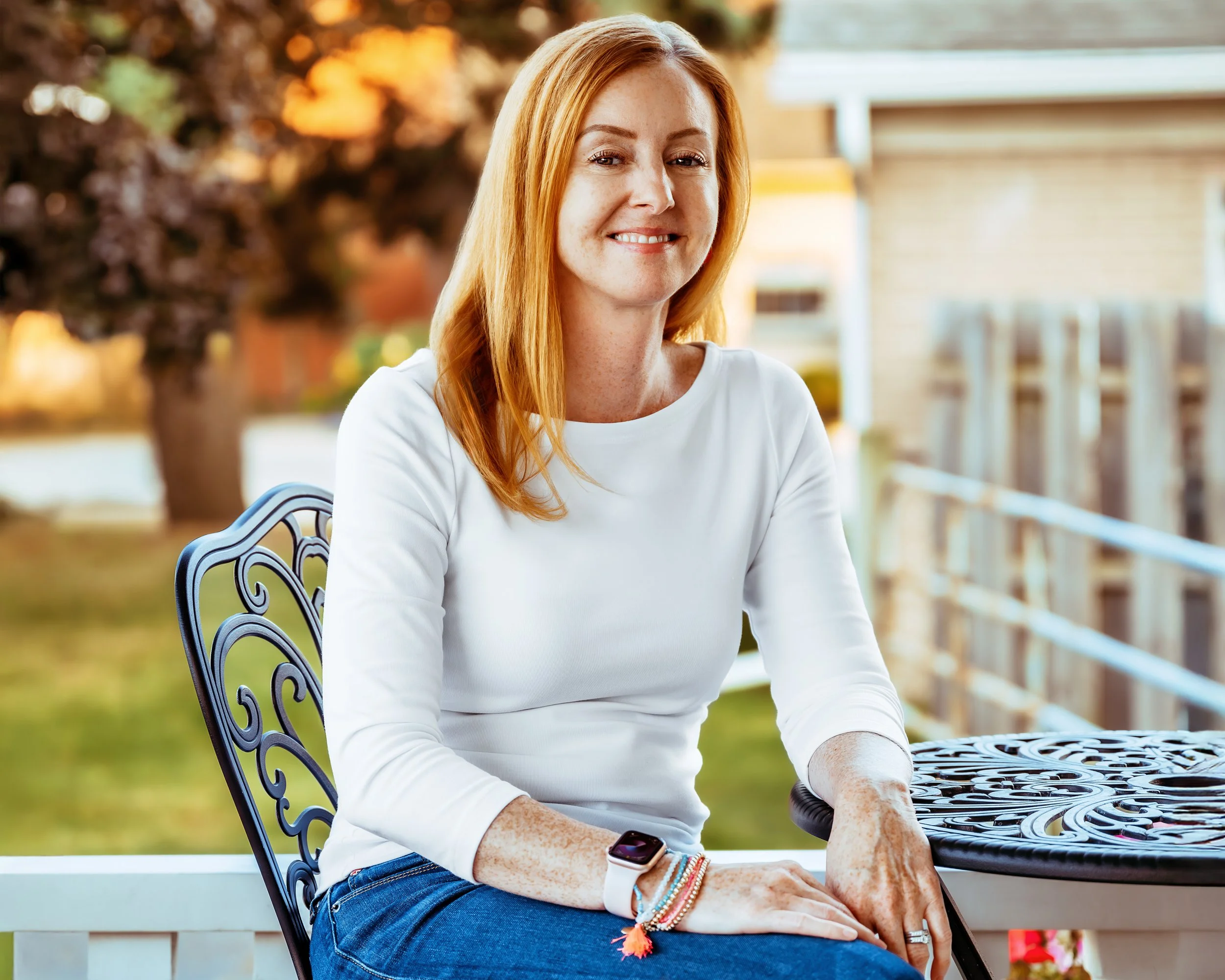
2025 is a year of embracing new opportunities, and I’m excited to connect with local motherhood-focused businesses through interviews and photography. This ongoing series highlights small business owners in Metro Detroit who provide valuable services that support, educate, and empower mothers. My latest feature showcases Keli Kildow-Polymeneas, founder of The Simplified Home, who combines her expertise as a social worker with professional organizing to help clients create peaceful, clutter-free spaces.
She.E.O | Episode 8 – Keli
She.E.O Series
2025 is a year for embracing opportunities, navigating changes, and conquering challenges. To honor these themes, I’m excited to connect with as many local motherhood-focused businesses as possible to collaborate and grow together! This year, I’ll be continuing my series where I interview and photograph small business owners in the Metro Detroit area.
I can’t wait to highlight each business that has stepped forward to share their story. Together, we’ll explore the amazing services they offer to support, educate, and empower your journey into and through motherhood.
As a mom myself (my little one just turned 1 last year!), I’m constantly learning about the changes and challenges that come with this phase of life. My goal is to share this valuable information with others who may benefit. Let’s get started~
P.S. Don’t forget to check out our Branding Portfolio to book your next session!
About My Guest
Keli Kildow-Polymeneas, founder of The Simplified Home, is a professional organizer, clutter coach, and licensed social worker with over 20 years of experience. She helps individuals create organized, peaceful environments through in-home organizing, virtual coaching, and workshops. Keli combines her expertise in social work with her passion for decluttering, understanding how disorganization affects emotional well-being. Outside of her business, she enjoys yoga, reading, golf, and traveling, balancing her professional life with family, including two teenage boys and two dogs.
Q&A
Q: Can you tell us about your background and what inspired you to start The Simplified Home?
I have a master’s degree in social work and have been working in the mental health field for over 20 years in various roles, including therapist, supervisor, case manager, and administrator. My experience in auditing programs I once worked in gave me insight into improving efficiency. What led me to open my business, The Simplified Home, was my background in social work. I noticed how much people’s physical surroundings impacted their well-being. Often, I helped clients get organized, whether it was their home or their schedules, when they felt overwhelmed.
Organizing has always been a passion of mine. A couple of years ago, I began sharing my dream of becoming a professional organizer with a few people. At first, I thought it sounded silly since it’s such a niche field, but after a friend encouraged me, I decided to go for it. As a kid, I was naturally organized—my room was always the cleanest among my siblings. I love people, so combining my social work skills with my love for organizing felt like a perfect fit, and that’s how my business started. I saw a need and realized my skills could genuinely help people.
Q: As a licensed social worker for over 20 years, what motivated you to transition into entrepreneurship and focus on home organization?
I felt like the universe was giving me a nudge, like it was the right time to take the leap. As you get older, you start thinking, “Why not try?” If it fails, at least I can say I gave it a shot. My friend, who originally encouraged me to start, played a key role. When I hesitated, worrying about the lack of formal schooling or structure in this field, she just said, “Start.” She even offered her own kitchen pantry as a first project, making it feel like the door was open for me to step into this dream. That’s how I transitioned into starting my business.
Q: Could you give us an overview of the services offered by The Simplified Home and how they cater to different client needs?
We offer several services, starting with in-home organizing, where I help clients declutter their homes and create organizing systems. The goal is to have everything in a designated place, so items like scissors always go in the same spot, making life easier for the whole family. We also offer virtual coaching, which is great for those not ready for in-home sessions but still want support or accountability. Some clients just need occasional tips or help when they feel stuck on a project.
Another service is workshops and educational engagements, along with a weekly declutter club support group. The support group provides accountability and a space for people to connect, share their struggles, and encourage each other. The workshops focus on how clutter impacts mental health, stress, and relationships, offering practical tips to manage and reduce clutter. One popular workshop is called “Declutter Your Home, Declutter Your Mind,” which emphasizes how a tidy home can improve overall well-being.
Q: How does your experience as a social worker influence your approach to organizing and coaching clients?
I’ve had clients who were really nervous or ashamed to show me their space, thinking I would judge them. But I don’t judge anyone because I know we all struggle with this. My background as a therapist and social worker has been instrumental in helping me communicate effectively with my clients. Good communication is key to everything, and in social work and therapy, strong communication skills are essential.
I approach my work in a gentle, kind, and warm way, ensuring clients don’t feel pressured. My experience allows me to guide them without being forceful, which I believe makes a big difference. It’s not just about what you say, but how you say it—tone and demeanor can completely change how someone receives your message.
Q: What are some common challenges your clients face with clutter and disorganization, and how do you help them overcome these?
A common challenge I encounter is time—most clients feel they don’t have enough of it to organize. I emphasize movement over motivation, encouraging clients to start small. I often suggest spending two, five, or ten minutes a day on a manageable task, like organizing just one corner or the top of a desk. Starting with small increments helps them build momentum because waiting to feel motivated rarely works given life’s competing demands.
Another significant challenge is when children are involved. For families with young kids, I work closely with them to create systems tailored to their needs, such as color-coding or using labeled bins with pictures so kids know where things belong. My experience as a social worker plays a critical role here—I’m accustomed to assessing the environment, individual needs, and family dynamics before collaboratively creating solutions. I never impose solutions; instead, I ask the right questions to help clients find what works best for them. Each situation is unique, so while I have many tools, I first need to understand which tool will work for that specific family or individual.
Downsizing is another common challenge, particularly for older clients who need help deciding what to let go of and how to do it. In those cases, I sometimes use the concept of the Swedish art of death cleaning, which involves decluttering before one passes away to spare family members from dealing with it later. While clients don’t specifically request this technique by name, I integrate it when appropriate, framing it in a way that feels collaborative rather than clinical. Downsizing is very personal, so I ensure clients feel supported as we determine what’s most meaningful to keep and what can be passed down.
Q: Can you share a success story where your services significantly impacted a client’s life?
Story 1: Life-Changing Home Organization
One memorable client experience was with a woman whose home I helped organize, including her kitchen pantry, hall closet, and three bedroom closets. She seemed pleased with the results at the time, but what really touched me was meeting her a month later when she introduced me to a friend by saying, “She saved my life.” Hearing that got me emotional. It made me realize how profound an impact organizing can have on someone’s life.
For this client, working from home meant that disorganization caused significant stress. After getting organized, she felt a huge relief, as if a physical burden had been lifted. This experience underscored for me how much our physical environment affects our emotional well-being. My goal is to create a calming, spa-like atmosphere in my clients’ homes—a sanctuary where they can relax and recharge, even amid life’s chaos.
Story 2: Classroom Organization for a Teacher
Just yesterday, I helped a teacher organize her classroom. She had already decluttered most things, which was impressive given how teachers often accumulate materials they might need later. Our focus was on finding a practical organizational system for her three cabinets and a drawer.
Her main issue was knowing she had specific items but not being able to find them when needed. We grouped like items together, such as keeping all games in one bin and fidgets in another. Although it seemed like a simple solution, she said the task would have taken her days without my help because she’d get distracted or stuck deciding whether to keep or toss things.
My presence provided permission and support for her to let go of unnecessary items, speeding up the process. By the end, she was thrilled with how everything looked, even standing in front of her newly organized cabinets to admire them. It felt great to have helped her start the school year with an organized space, setting a positive tone from day one.
Q: You also offer workshops and educational engagements. What are the key takeaways participants gain from these sessions?
We kind of touched on it earlier, but I want to emphasize how our physical surroundings can affect us emotionally, physically, and mentally. It’s something we often overlook, and a lot of my workshops focus on this impact. Half of the workshops are dedicated to understanding clutter—what it is, where it comes from, and how we ended up with so much of it. The other half focuses on what to do about it, covering the steps to declutter and decide what to keep or get rid of. Once we establish why decluttering is important, we move on to the practical steps for making an organized home a reality.
Q: How do you balance managing your business with your personal life, especially with a family and other interests?
I feel really fortunate to have my husband’s help with managing the kids. We tag team when needed, and that’s been key. Over time, I’ve improved my time management skills out of necessity, focusing on priorities first. Without that, it’s easy to get caught up in less important tasks or distractions. For example, I sometimes get lost in Netflix when I should be working. That’s why I’ve adopted time blocking—setting specific periods for different activities like sleep, meals, family time, and work. Even though things don’t always go perfectly, it helps keep me grounded. It’s great for balancing multiple responsibilities like a job and family, and it allows flexibility when something unexpected comes up. Also, I block time for fun and relaxation, so I don’t miss out on things I enjoy. I really want to do better at spending more time outdoors by scheduling it regularly, like every Saturday at the beach.
Q: What personal growth have you experienced through running The Simplified Home?
I’ve definitely had to grow personally by learning to trust myself more, especially when it comes to being okay with making mistakes. I describe myself as a “recovering perfectionist,” so making mistakes was something I had a hard time accepting initially. Starting my own business taught me that no matter how perfectly I try to do things, mistakes are inevitable, and that’s okay. I’ve also learned that getting things done, even if they’re not perfect, is better than holding back because I want something to be flawless. In the beginning, perfectionism really slowed me down.
One big learning moment was with my website. My husband encouraged me to set up my own site using a simple platform. I tried, but after a while, I realized I didn’t enjoy it and wasn’t good at it. So, I decided to hire it out. That’s something I’ve learned along the way—sometimes it’s better to hire things out if they’re not in your area of expertise or if they take too much time. However, there are times when it’s worth learning something, even if it’s uncomfortable, like using Canva. Everyone tells me it’s easy, and I’ve started figuring it out. It’s uncomfortable, but I know that’s where growth happens.
Q: What are your future goals for The Simplified Home, and how do you see your business evolving in the next few years?
I’m still in the early stages of my business—I started it in early 2023, so it’s still growing. Even though I say “we” sometimes, it’s really just me running everything. Over the next few years, my primary goal is to get more clients overall and start offering workshops in the local community. I’d love to host them at places like the library or the recreation center in Lake Orion, where I live, so I can engage with my neighbors and the wider community. Beyond in-home organizing, I want to spread the message of organization and decluttering to as many people as possible.
I’ve already noticed a positive ripple effect—friends and family, now that they know I’m in this line of work, have started organizing on their own and sharing their progress with me. It’s inspiring, and I want to continue fostering that sense of pride and motivation in others. I’m hoping to increase community involvement through workshops, engagement events, and potentially more declutter clubs and workgroups. I really enjoy being in group settings where people can talk about their struggles with clutter—it’s a supportive environment, and I thrive on that kind of interaction. Hopefully, I can do a lot more of this in the coming years.
Q: What advice would you give to other women looking to start their own business?
My best advice would be, “Just do it.” Just get started, take that first step, and see what happens. If there’s something you’ve dreamt about, start working toward it—whether it’s making that first call or talking to someone who already does it. The key is to begin. I honestly wish I had taken this advice earlier. Also, be patient and kinder to yourself. I remind myself often that I’m doing a lot of things I’ve never done before, so naturally, it’s going to be tricky. Mistakes are bound to happen, and feeling scared is part of it, but that’s okay. Being uncomfortable means you’re growing.
Like I mentioned earlier, our lives may be chaotic, but our homes don’t have to be. That’s a message I want to keep spreading. When it comes to organizing, it’s less about waiting for motivation and more about movement—just taking action. My hope is that people can create peaceful, calming homes they love, spaces where they can find comfort after dealing with the chaos of life. That’s what I truly wish for your readers: homes that bring joy and peace.
Get In Contact with Keli
To contact Keli for business inquiries, you can fill out the contact form on her website or email her directly for personalized assistance. For more information, visit The Simplified Home.
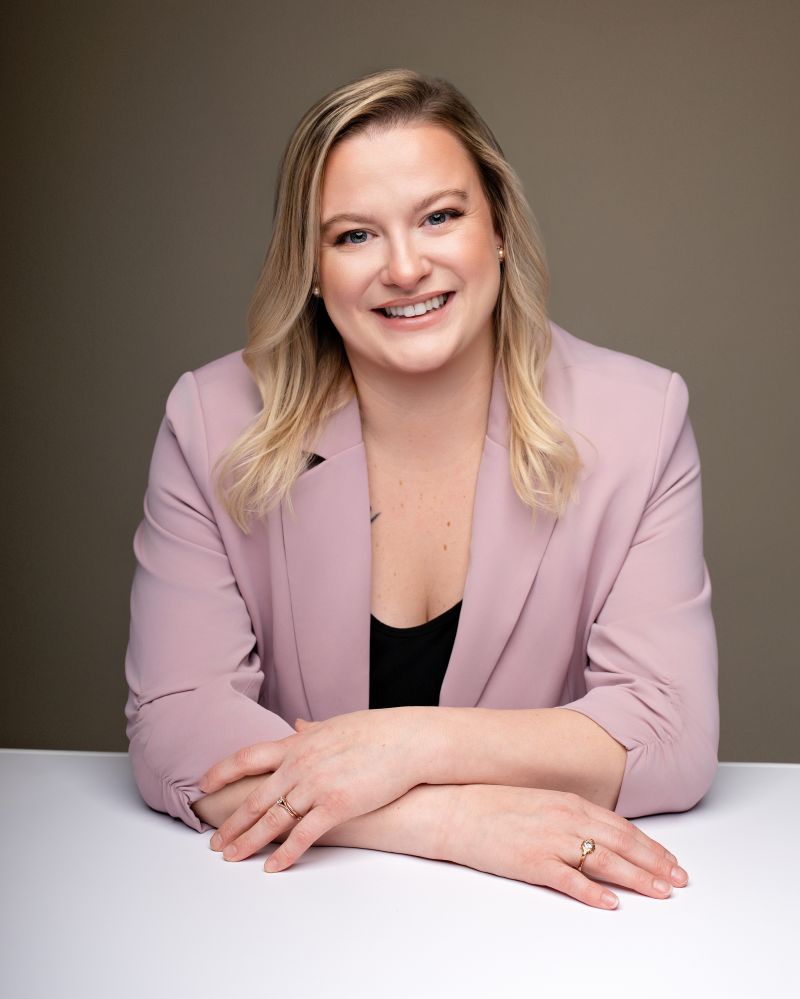
Jasmine Robertson
Featured



BLog Posts
continue exploring




If you’re loving what you see and feel ready to join our family, reach out through our contact form to schedule a consultation. We’ll talk through your vision, answer questions, and ensure everything feels aligned before moving forward. From start to finish, we guide you through an intentional experience—one designed to create meaningful portraits and finished artwork you’ll enjoy in your home for years to come.
Discover the top ten must-have baby registry gifts for 2026, curated with practicality, style, and versatility in mind—perfect for new parents and thoughtful gift-givers alike. Many of these essentials also double as beautiful props for in-home and lifestyle newborn photography sessions, making your parenting journey both easier and memorable!